
*This post may contain affiliate links for which I earn commissions.*
For many introverts, the world can feel loud, fast, and relentlessly social.
We are told to network more.
Speak up more.
Be visible.
Be “on.”
But what if thriving as an introvert isn’t about becoming louder?
What if it’s about choosing the right kind of connection?
For many quiet personalities, that connection comes with paws.
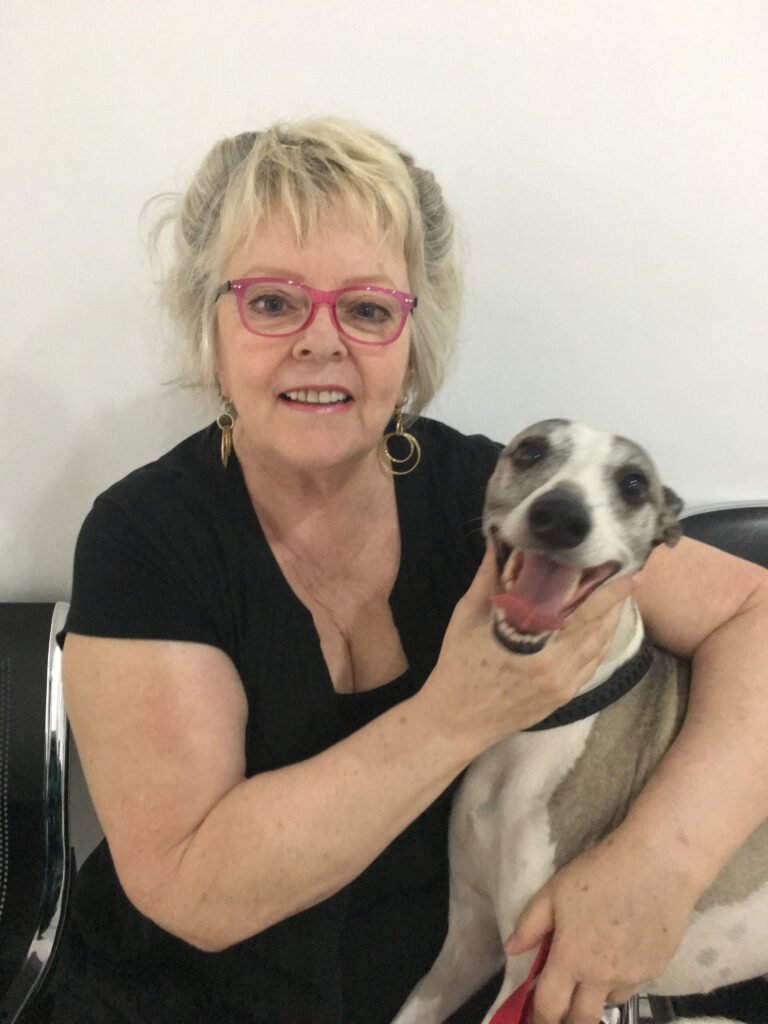
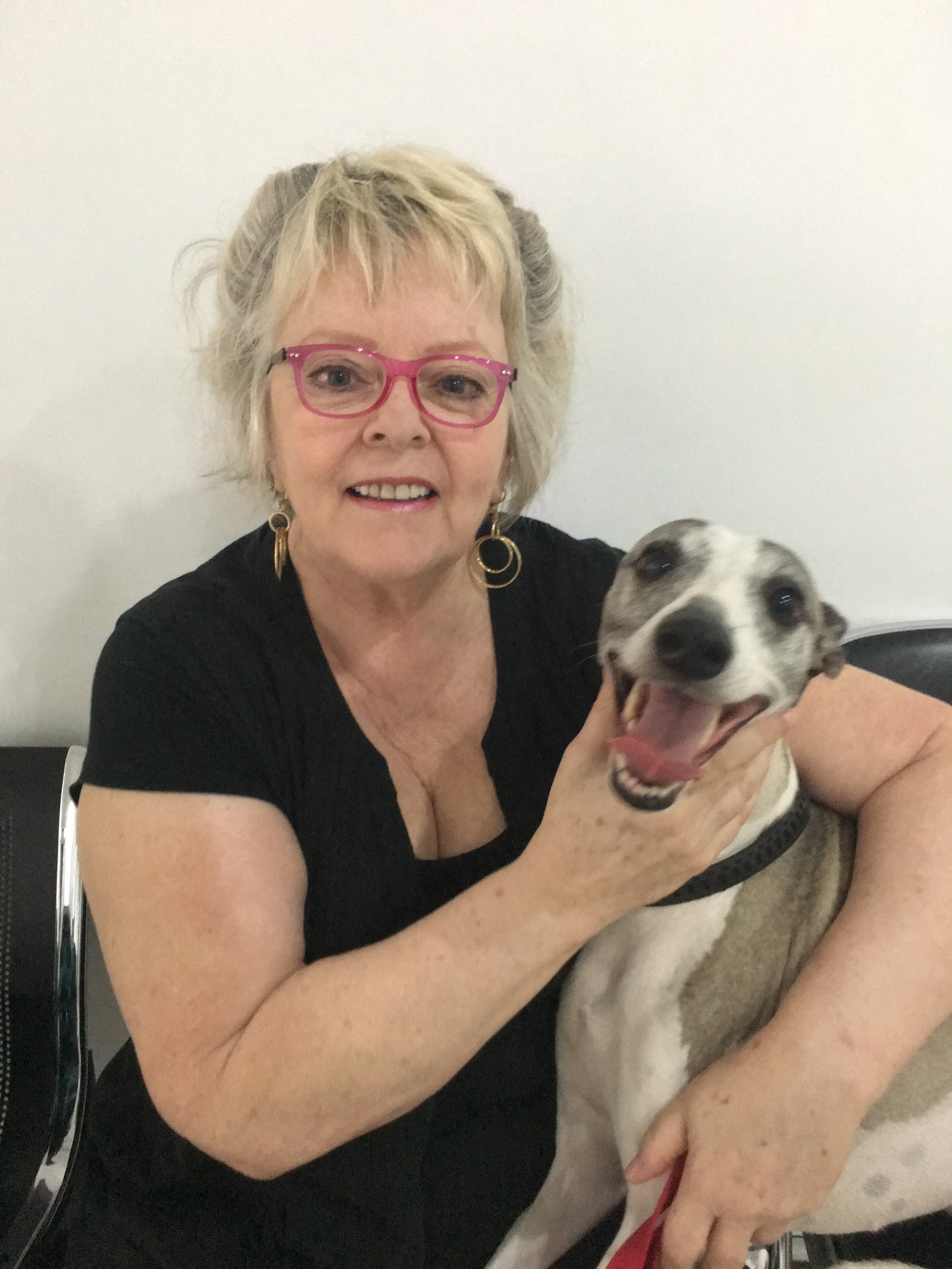
Having a pet is not just about companionship. For introverts, it can become emotional infrastructure — something that stabilizes, grounds, and restores us in ways that human interaction sometimes cannot.
Let’s explore why.
1. Pets Recharge Rather Than Drain
Introverts recharge in solitude. But solitude does not always mean isolation. I recharge with my dogs – it works really well.
There is a powerful difference between:
- Being alone in silence
- Being alone with a calm, steady companion
A dog sleeping beside you while you read.
A cat curled up near your laptop.
A soft presence in the room.
Animals do not require social performance. There is no small talk. No expectation to entertain.
Their companionship is quiet, which makes it restorative rather than draining.
Many introverts find that their nervous system settles more quickly around animals. Petting a dog or listening to a cat purr can physically slow breathing and reduce stress levels.
That is not just emotional. It is biological.
If you are someone whose social battery depletes quickly, the steady presence of a pet can become one of your most reliable recharge tools.
2. They Offer Emotional Safety Without Complexity
Human relationships are layered and nuanced. Tone can be misread. Texts can be overanalyzed. Social dynamics can feel exhausting.
Animals are refreshingly simple.
If they are happy, you see it.
If they are tired, they rest.
If they want affection, they ask.
There is no hidden agenda. No social strategy.
For introverts who naturally reflect deeply, this predictability feels safe.
That safety creates emotional ease — and emotional ease allows us to relax in ways that high-demand social environments often do not.
3. Pets Reduce Loneliness Without Social Overload
Introverts absolutely experience loneliness. We simply prefer depth over quantity.
When human connection feels limited — during remote work, relocation, retirement, or transitional seasons — pets can soften the edges of isolation.
They do not replace meaningful human relationships.
But they do:
- Create daily connection
- Offer physical warmth
- Provide a sense of being needed
A dog waiting at the door shifts the tone of your entire evening.
A cat choosing your lap communicates something quiet but powerful: you are wanted.
For introverts who may not seek large social circles, that kind of consistent companionship can be enough.
4. They Create Gentle Structure
Introverts can sometimes retreat too far inward. We overthink. We isolate. We disappear into our heads.
Pets interrupt that pattern.
They need:
- Feeding
- Walking
- Grooming
- Care
That rhythm gently pulls you outward without overwhelming you.
A daily dog walk, for example, provides:
- Fresh air
- Movement
- Light social exposure
- Natural routine
You may greet a neighbor briefly. Smile at someone passing by. Exchange a few words.
It is manageable interaction — not a crowded networking event.
For introverts, this kind of low-pressure structure can be ideal.
5. Pets Support Emotional Regulation
Research consistently shows that interacting with animals reduces stress hormones and increases calming neurotransmitters.
But even without reading the studies, you can feel it.
Running your hand along a dog’s back.
Hearing steady breathing nearby.
Watching a pet sleep peacefully.
Animals bring us back into the present moment.
Introverts often live in reflection — replaying conversations, anticipating future scenarios, analyzing internal experiences.
Pets pull us into now.
And that present-moment grounding can be deeply stabilizing.
6. They Accept You Exactly As You Are
Many introverts grow up feeling “too quiet.”
Too reserved.
Too thoughtful.
Too inward.
Animals never ask you to be more outgoing.
They do not wish you were louder.
They do not judge your social style.
They do not require performance.
Their affection is not based on charisma.
It is based on presence.
That unconditional acceptance can quietly rebuild confidence over time.
Choosing the Right Pet as an Introvert
Not every animal fits every lifestyle.
Before adopting, consider:
- Your daily energy levels
- Your living space
- Your travel habits
- Your financial readiness
- Your need for quiet
Some introverts prefer lower-maintenance pets like cats or smaller animals. Others thrive with the structure and activity of a dog.
If you work from home, a companion animal may provide emotional grounding throughout the day.
If you live in a smaller space, consider breeds or species suited to calm indoor living.
Look for:
- Temperament compatibility
- Energy level match
- Realistic care commitment
Thriving as an introvert means choosing alignment, not impulse.
Is a Pet Right for You?
A pet is not a cure for loneliness.
Not a shortcut to happiness.
Not a trend.
It is a long-term commitment.
But for many introverts, it becomes something more than companionship.
It becomes:
- Emotional regulation
- Gentle accountability
- Quiet presence
- Deep, steady connection
If you sometimes feel overwhelmed by people but still crave warmth, consider whether a quieter form of connection might fit you better.
You do not need more noise.
You may just need the right kind of presence.
And sometimes, that presence comes with paws.
If this resonated with you, explore some of the resources below on choosing calm, temperament-friendly pets and creating an introvert-friendly home environment.
You do not have to be louder to live boldly.
Sometimes you just need a quiet heartbeat beside you.